Interview with Adrian Borter, Country Director of BPN Nicaragua
What does a normal working day look like for you? Does that even exist?
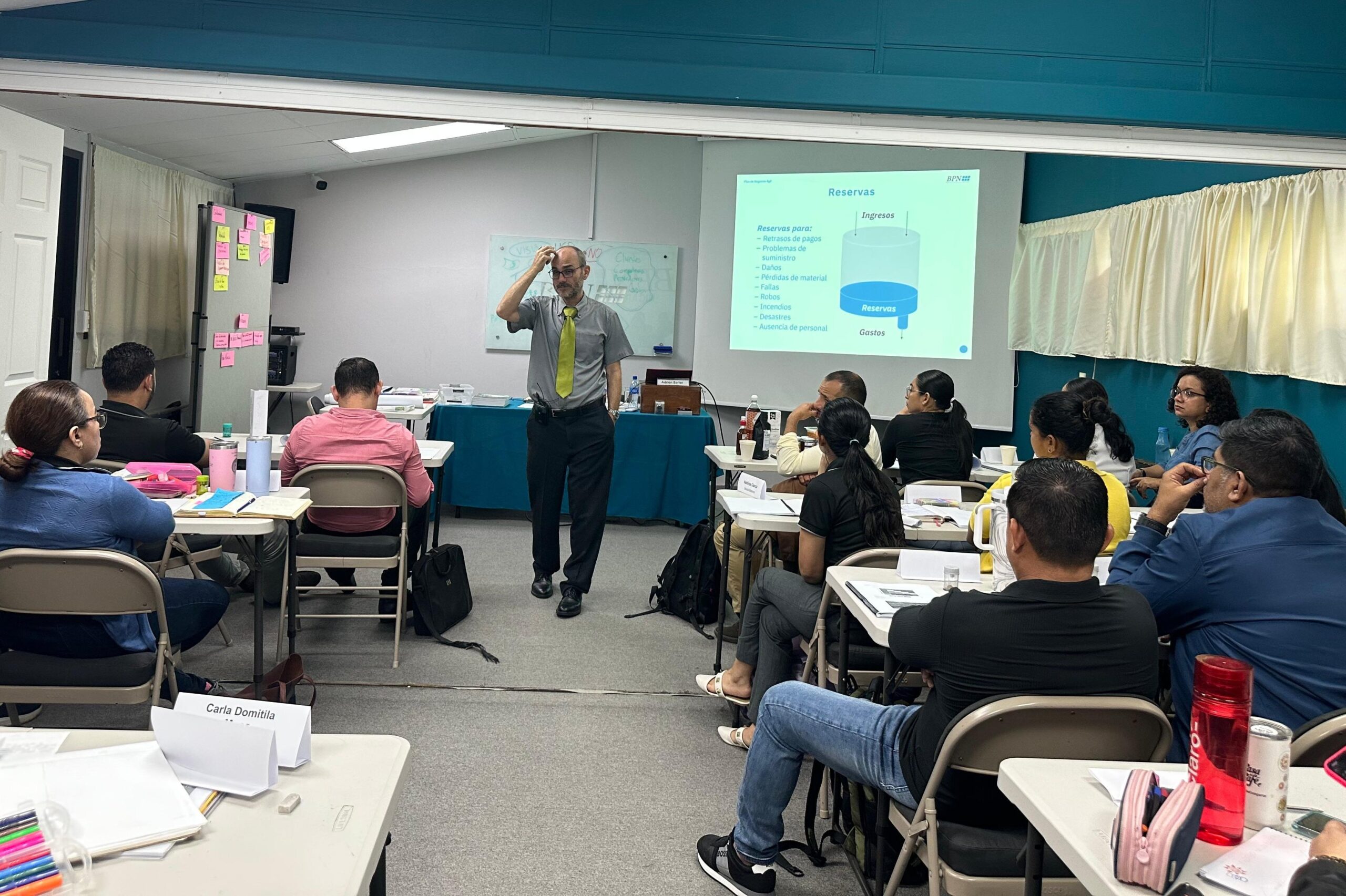
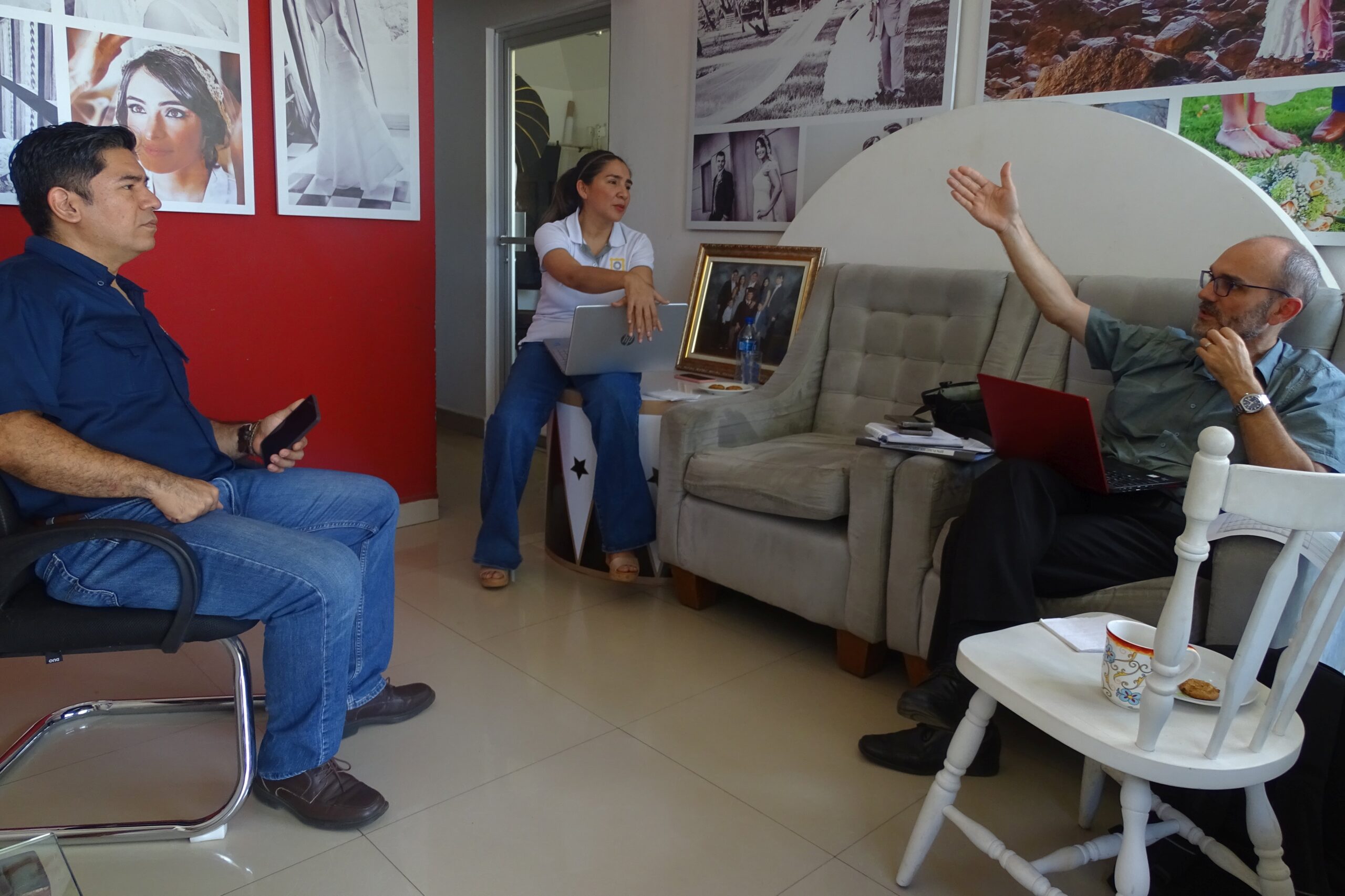
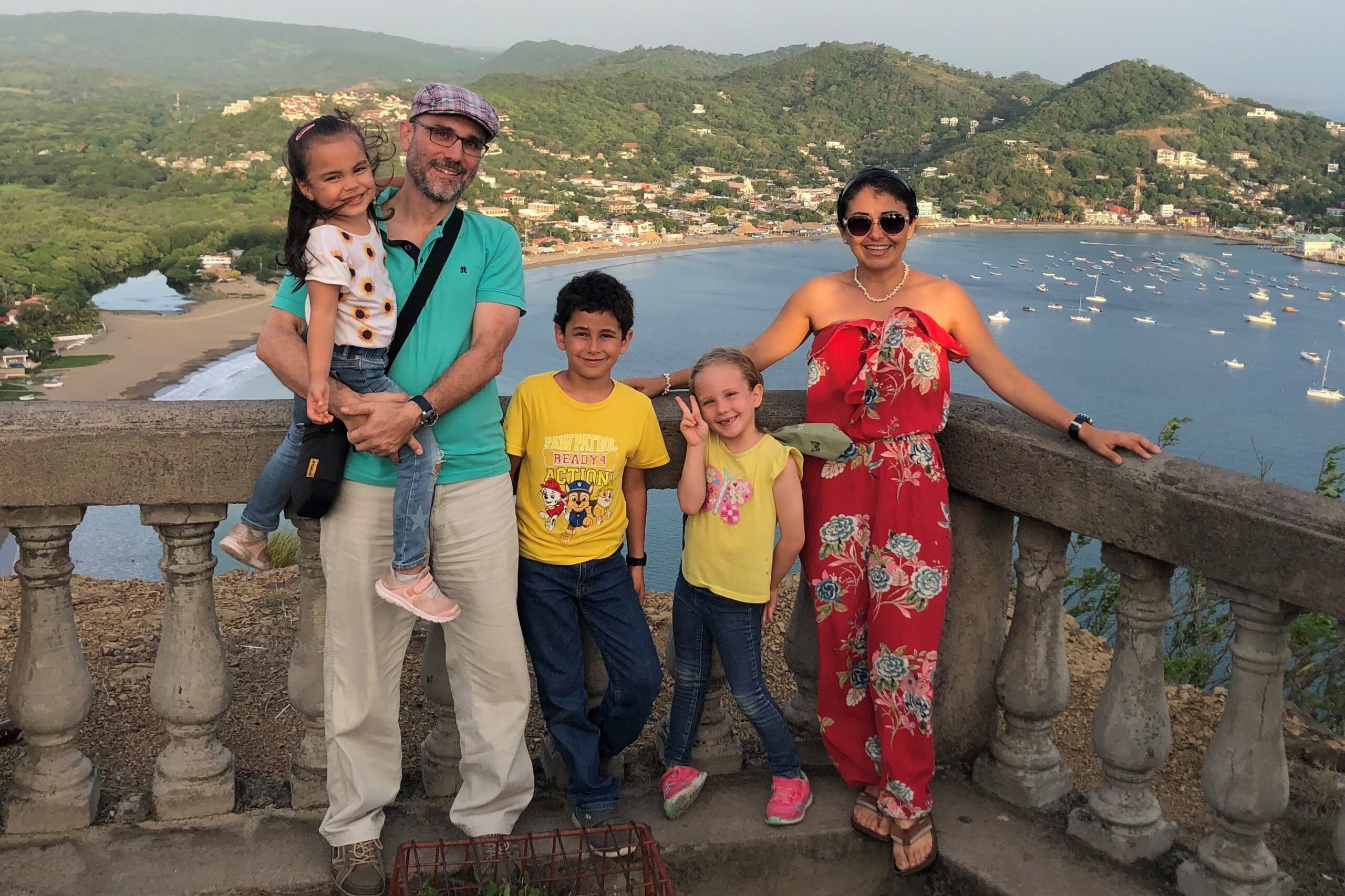
Adrian: Not really. I live with my family in a rural area about 2.5 hours from Managua. When I work from home, my day is a bit more structured - I take care of administration, prepare seminars, write reports and communicate with the team in Managua by video or phone. When I'm on site in the capital city office, things get more varied: I conduct coaching sessions, give seminars, invest in the team and meet both existing and potential new entrepreneurs. No two days are the same.
What are your tasks? What are you responsible for?
Adrian: The list is long. I manage our local team, train new employees and coaches, develop and revise seminars and am the point of contact for many organizational issues - from budget responsibility to NGO approvals and reporting processes. I also accompany entrepreneurs directly, conduct coaching sessions, provide support on content-related topics and help to further develop our program. I also train coaches from other BPN countries - via video calls - and am responsible for our coaching pillar within BPN international. I also coordinate with speakers from Switzerland and the business owners' association in Nicaragua.
Is there a particular local tradition or business custom that you find fascinating?
Adrian: Yes, definitely. Small talk has a completely different significance here than in Switzerland. It's normal to get into a long and personal conversation before you get to the actual point. And criticism or rejection is rarely expressed directly - a lot tends to happen indirectly. This requires a lot of cultural sensitivity and, above all, patience.
What are the most common hurdles women entrepreneurs have to overcome in Nicaragua?
Adrian: The biggest challenge is clearly employee management. Many companies struggle with a "hire and fire" mentality. There is often a lack of commitment and initiative on the part of employees, and dismissals can be made at short notice. Our values-based approach at BPN is aimed precisely at creating sustainable solutions here - through coaching, values work and long-term support.
If you were to set up a company in Nicaragua yourself - in which sector and why?
Adrian. (laughs) To be honest, I'm not a classic entrepreneur - I appreciate the structure at BPN. If anything, I would set up a company with my wife - she brings a lot more entrepreneurial spirit to the table. We would probably do something in the field of agricultural processing. Nicaragua has many high-quality raw materials such as mangoes, but they are hardly ever processed. There is a lot of potential there. I would probably dry mangoes, package them nicely and sell them.
What new projects or initiatives has BPN Nicaragua launched in 2025?
Adrian: We have redesigned our marketing and sales process in order to reach new participants in a more targeted way. We are also currently looking into the use of artificial intelligence - e.g. for automatically responding to inquiries outside of office hours. We are working with a local expert on this. In the long term, we would also like to integrate these technologies directly into our seminars and familiarize entrepreneurs with them.
How has the economic situation in Nicaragua developed since the beginning of the year? Are there any changes that particularly affect women entrepreneurs?
Adrian: One significant change was the end of a US program that allowed many Nicaraguans to work temporarily in the USA and send money back home. These remittances previously made up a large part of the gross domestic product.
Now less money will be sent into the country, and at the same time unemployment could rise because more people are looking for work in the country. However, this could also mean new opportunities for well-trained specialists - they will stay in the country more often. The long-term effects remain to be seen.
Which sectors or business areas have proven to be particularly fast-growing in Nicaragua?
Adrian: We are currently seeing positive developments in the construction industry and tourism. Remittances in particular have enabled many people to invest in real estate. At the same time, however, this is also something of a bubble - both sectors are sensitive to economic fluctuations and are not particularly resistant to crises.
What role will digitalization and technological innovation play for female entrepreneurs in Nicaragua in 2025?
Adrian: Nicaragua is catching up in terms of digitalization - but we are still a long way from where we could be. Many of our program participants have hardly used social media or have not used it strategically. The focus is currently still on replacing traditional advertising with digital channels.
Although artificial intelligence is an issue, it is still not used much in practice. The discussion here is not just about ChatGPT, but increasingly also about cheaper, often Chinese alternatives - which can be particularly interesting for small companies.