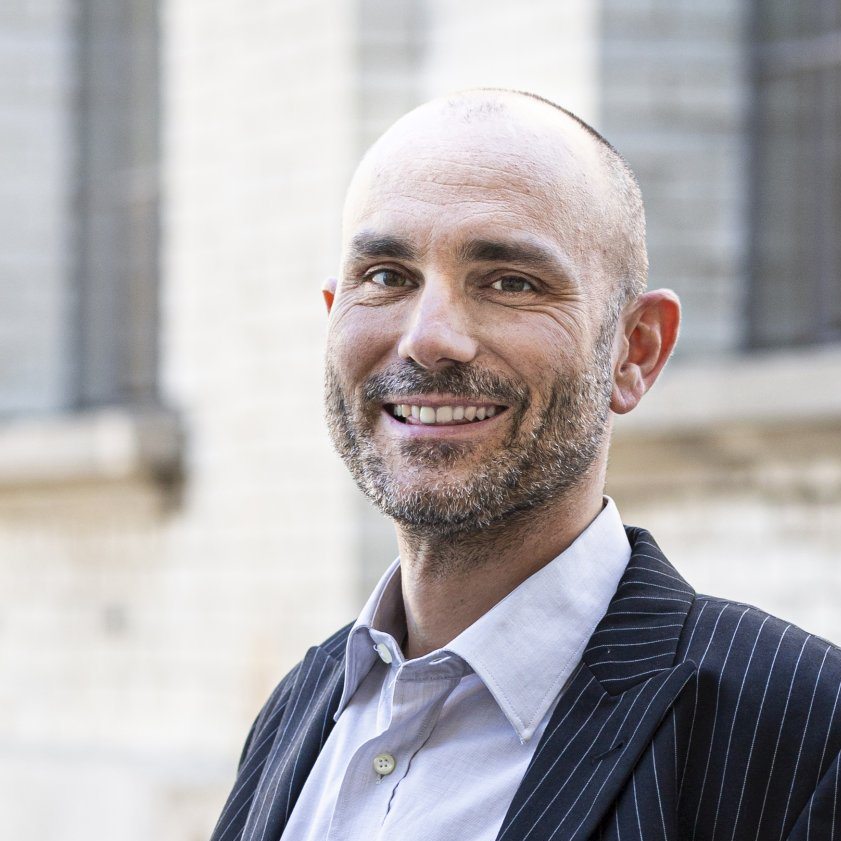
Adrian, do you still remember how you came to the BPN Foundation 15 years ago and what made you decide to start there?
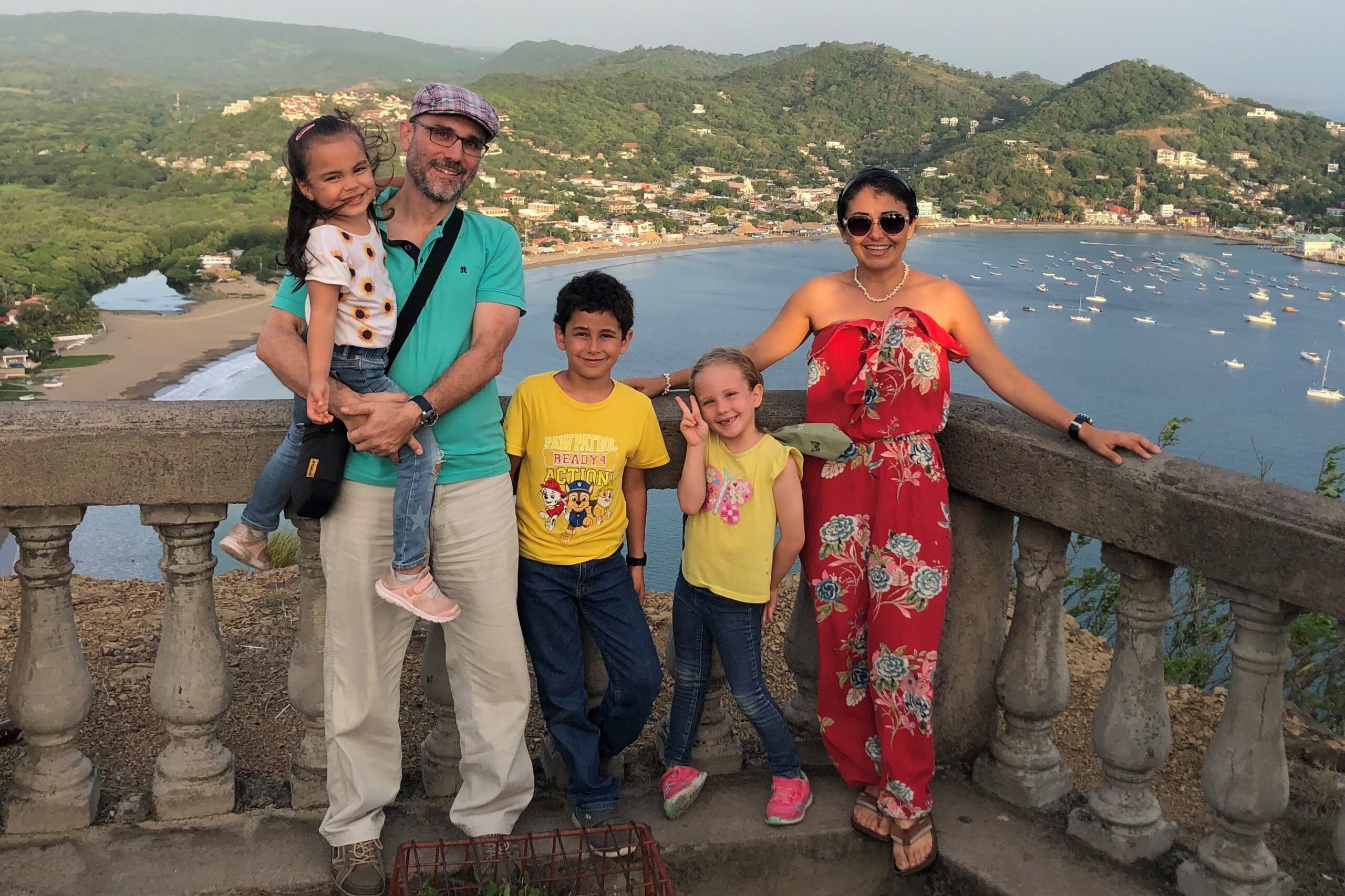
I was in a phase of reorientation and looking for a meaningful activity. I met an old acquaintance from BPN's fundraising team at a meeting at a friend's house years later, which is how I first heard about BPN. I found the activity very interesting and meaningful from the beginning. When the position of Country Director for Nicaragua was advertised, I applied directly. In the beginning, I commuted between Switzerland and Nicaragua - that was very exhausting! That's why I moved to the USA in 2012. Shortly after, however, I met my current wife Ixil in Nicaragua and after our marriage in 2013, I finally moved to Nicaragua completely. I have been living and working there ever since.
How has your role in the BPN Foundation evolved over the years?
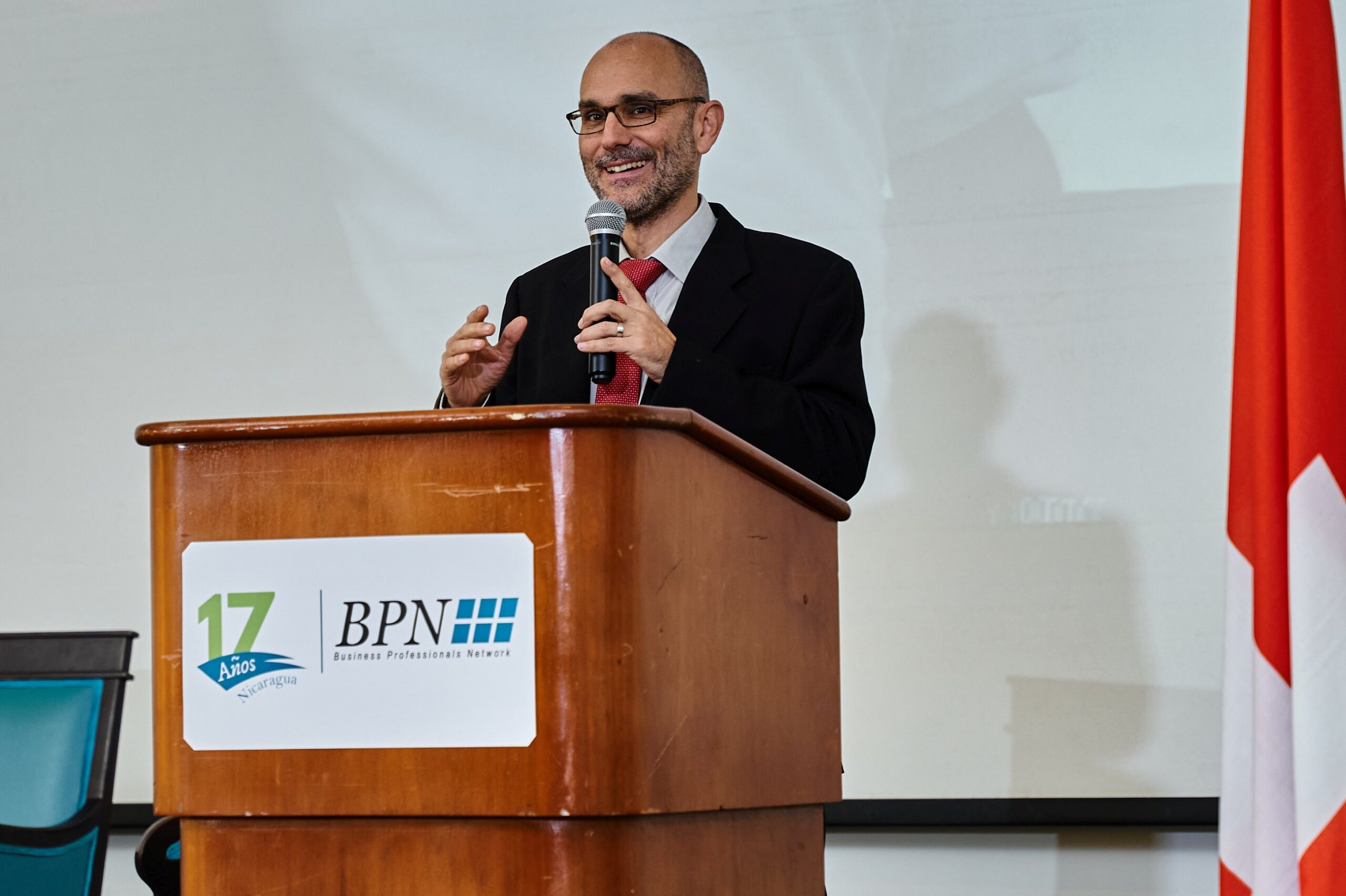
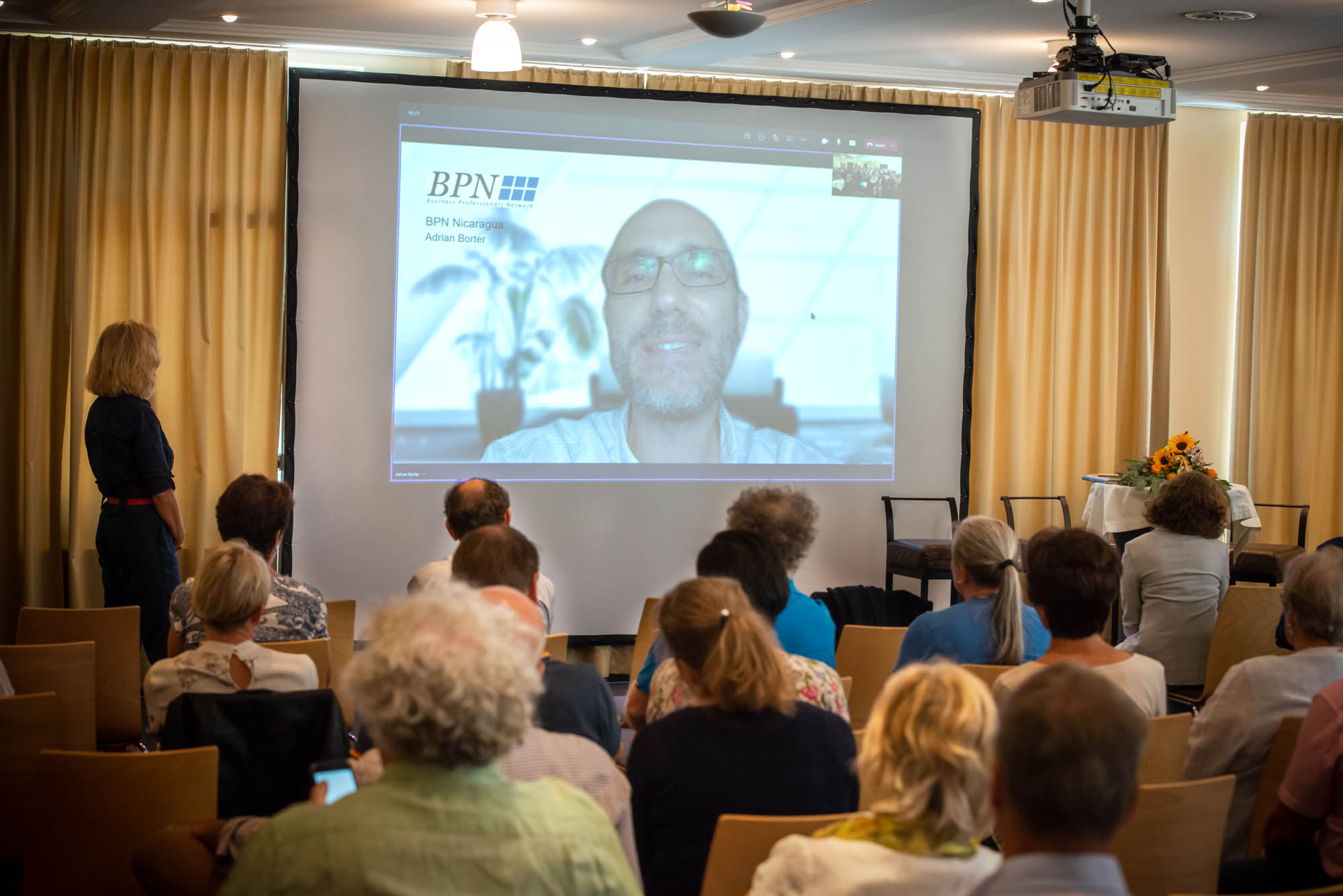
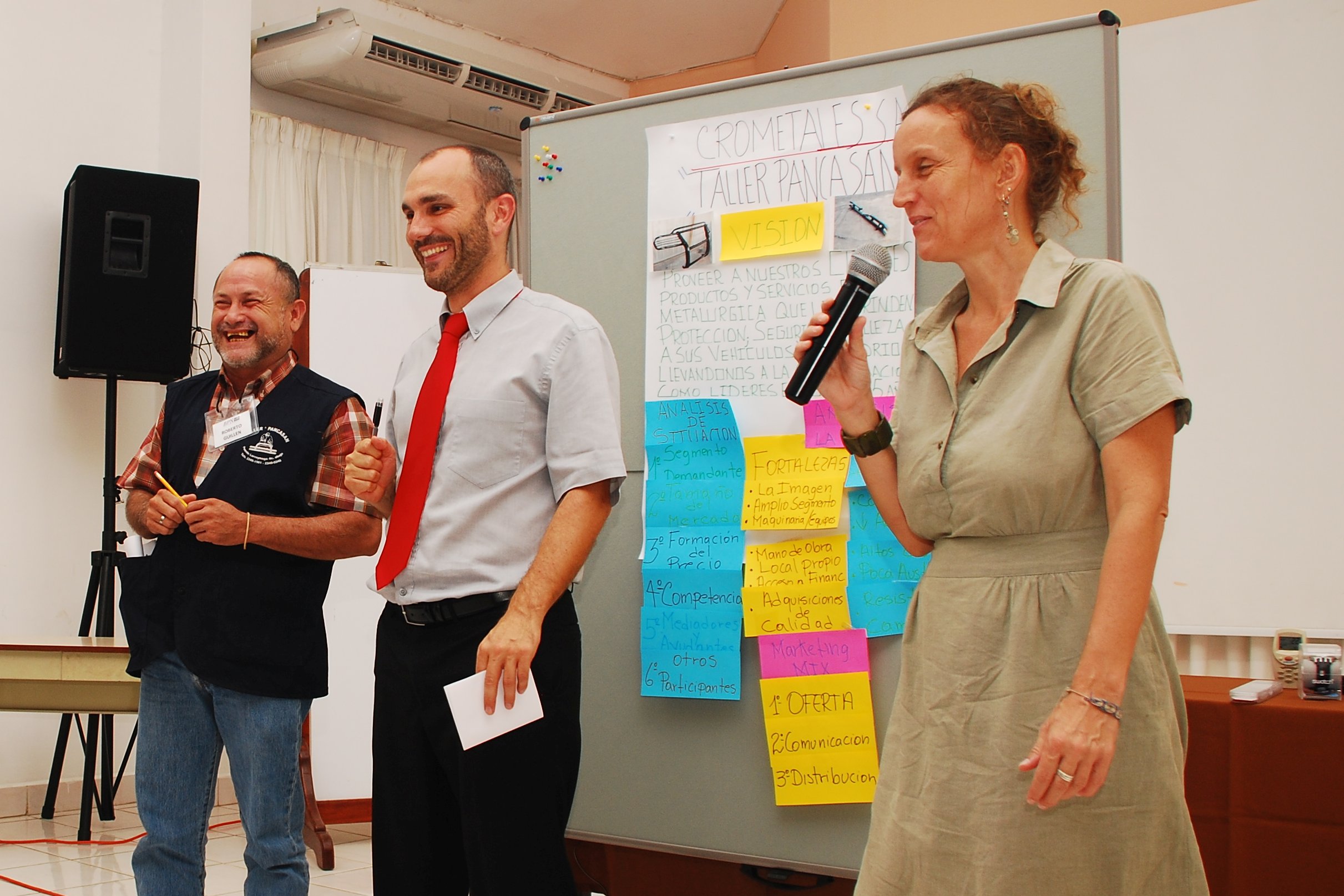
Over the years, my role in the BPN Foundation has constantly expanded. With my experience and thanks to the fact that I now speak Spanish and know the culture better, I have been able to contribute to the continuous optimization of internal processes. In addition, I have worked to intensify coaching. Today, I am responsible for the basic cross-national training of all coaches. Thanks to modern technologies, this is possible without any problems and gives me a lot of pleasure. I am also convinced that my many years of experience have made me more efficient in my work.
Is there a special moment or project that you are particularly proud of?
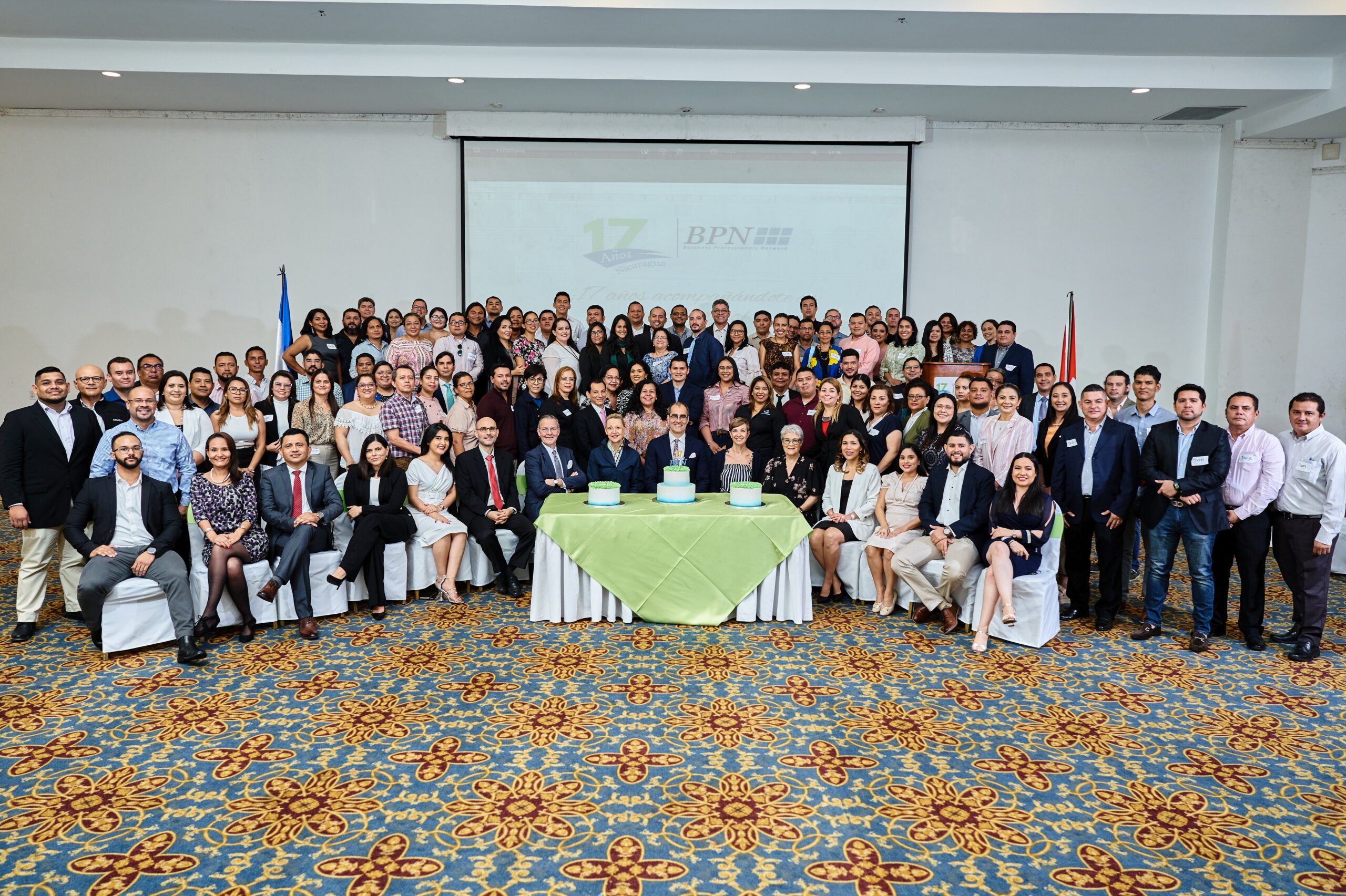
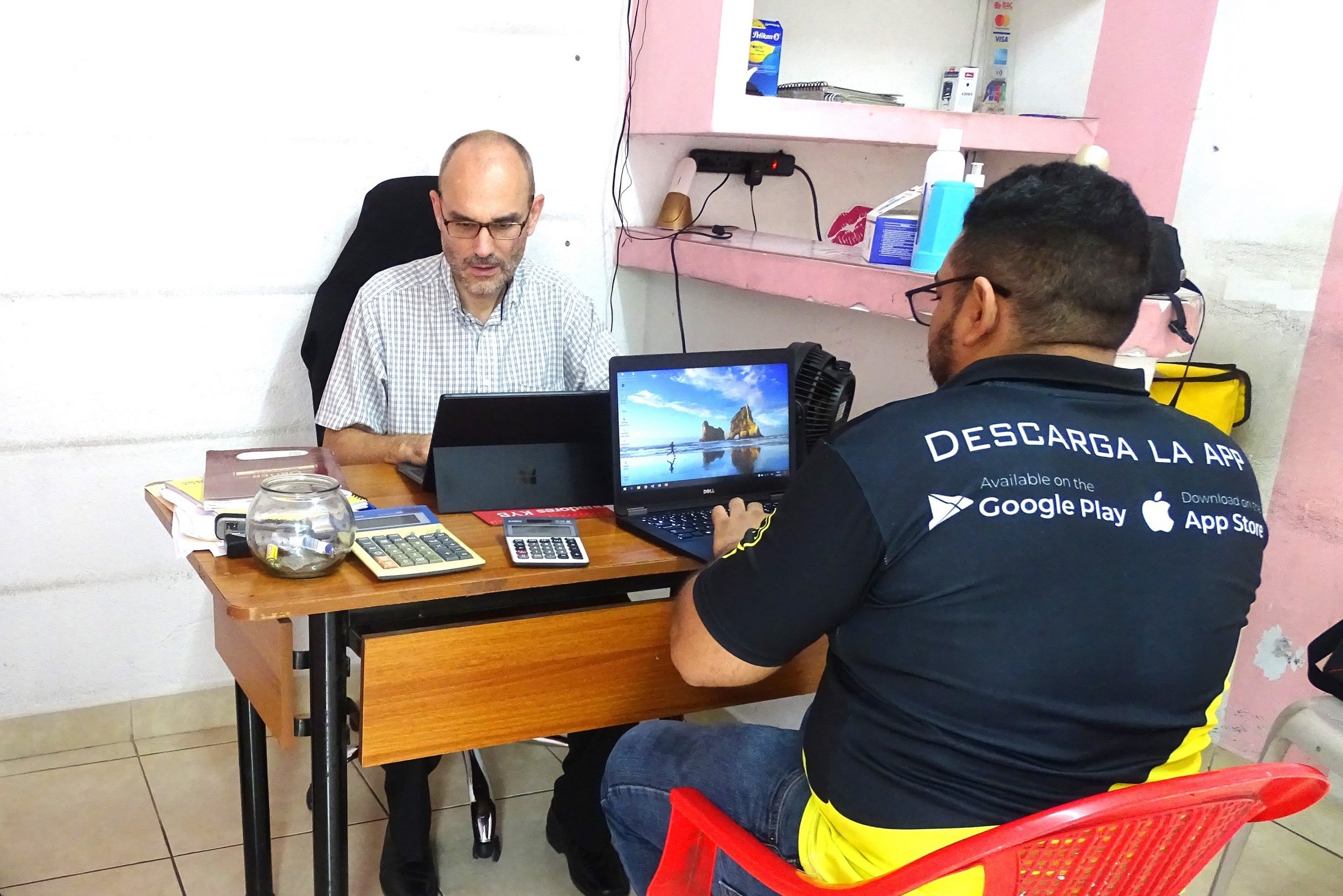
One of our greatest successes is certainly BPN's continued presence in Nicaragua. This is not a matter of course, considering the challenges and hurdles of the last 15 years. Many charitable organizations have unfortunately had to close their doors. I am therefore very grateful that BPN still exists and that we have been able to maintain the high level. What particularly moves me are the statements from entrepreneurs such as "...and then Adrian said XXX during a seminar" or "I learned that XXX from Adrian". Not so much because they mention my name *laughs*, but because it shows that our messages are heard, understood and implemented. This is great proof that our work really does make a difference.
In your opinion, what are the biggest differences in working culture between Nicaragua and Switzerland?
The main difference lies in the perspective of time management and planning. In Nicaragua, people tend to act spontaneously and make decisions at short notice, even in a professional context. This way of thinking has a considerable influence on my daily work at BPN and on my private life. In our seminars, we emphasize the benefits of long-term planning and encourage entrepreneurs to develop and pursue a far-reaching vision. Personally, I have adapted to the frequent improvisations here and always try to have a plan B ready in case things don't go as planned.
Why are you still working for BPN? What motivates you?
BPN represents a fusion of aspects that are very close to my heart: Business administration with a social focus. It gives me great pleasure to pass on my knowledge and to be active in the field of coaching. Nicaragua has become my home, I have my family here and yet I have the opportunity to work for a Swiss company. Even though I really appreciate the connection with Switzerland, I am - together with my wife - very strongly connected to Nicaragua. It is very important to us to make a contribution to the country's development and to give something back. I am deeply grateful that this work is possible thanks to the tireless support of our long-standing BPN benefactors from Switzerland. It is not a matter of course that I am able to pursue my dream job here, supported by the generosity from Switzerland. I would like to take this opportunity to express my sincere thanks to all our loyal donors!
An anecdote from the early days:
In my first days at BPN, I held the seminars in English and German, and a translator translated everything into Spanish. After one such seminar, an entrepreneur asked me if I could bring him some Caran d'Ache crayons from Switzerland. With the help of the translator, I explained to him that this was unfortunately not possible because I simply did not have enough space in my luggage for so many requests. Afterwards, the translator told me that the entrepreneur was surprised by my direct answer. In Nicaragua, it is considered unusual or even rude to give someone a direct refusal and to give reasons for it. People here tend to make cautious promises and then let the matter "peter out". This direct form of feedback was very unusual for them. Today, of course, I am familiar with these cultural differences. *laughs